
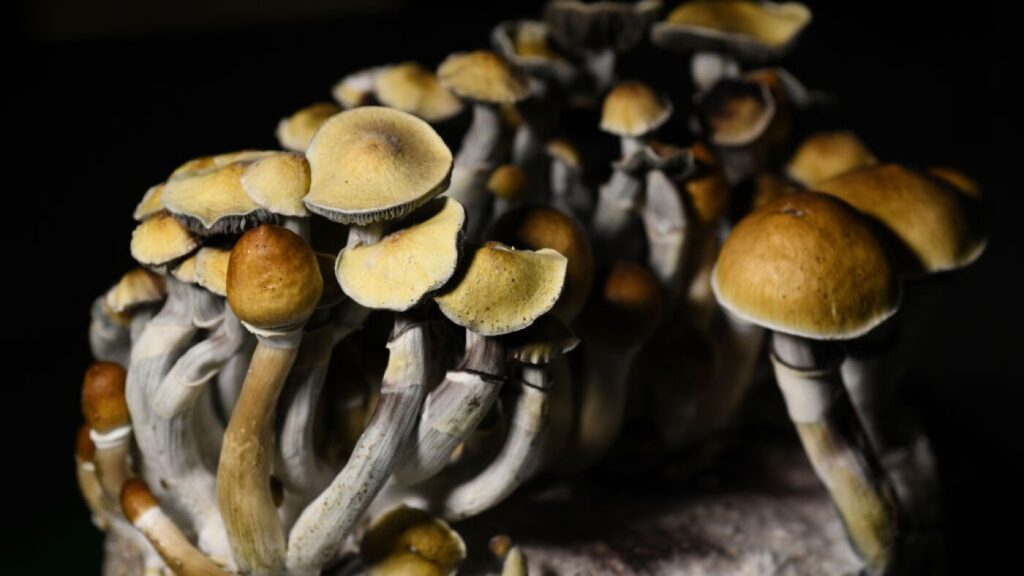
Psilocybin Mushrooms
can you overdose magic mushrooms
Jun
Enter Lion’s Mane mushroom—a powerful functional fungus that’s been used in traditional medicine for centuries and is now backed by modern science. Unlike magic mushrooms, which contain psychoactive compounds, Lion’s Mane mushrooms are completely legal, non-intoxicating, and designed purely for cognitive and neurological support.
In this comprehensive guide, we’ll explore the incredible benefits of Lion’s Mane mushroom supplements, including their impact on brain health, memory enhancement, and overall cognitive function. Whether you’re interested in preventative wellness or actively seeking to improve your mental performance, this article will provide you with everything you need to know about this remarkable fungus and how to safely incorporate it into your daily routine.
What Exactly Is Lion’s Mane Mushroom?
Lion’s Mane mushroom, scientifically known as Hericium erinaceus, is a distinctive fungus native to North America, Europe, and Asia. Its appearance is unmistakable—resembling a white, cascading lion’s mane or a waterfall of delicate tendrils. This unique appearance isn’t just aesthetically pleasing; it’s become an iconic symbol of cognitive enhancement in the functional food community.
Found growing on hardwood trees, particularly oak and maple, Lion’s Mane has been a staple in traditional Chinese and Japanese medicine for over 2,000 years. Traditionally, practitioners valued it for promoting mental clarity and supporting nervous system health.

Lion’s Mane vs. Other Mushroom Supplements: Understanding the Difference
It’s crucial to understand that Lion’s Mane mushrooms are fundamentally different from magic mushrooms. Here’s what you need to know:
- Lion’s Mane: Contains bioactive compounds called beta-glucans and erinacines; completely legal; non-psychoactive; FDA-approved for supplements
- Magic Mushrooms: Contain psilocybin (a controlled substance); psychoactive effects; federally illegal in most jurisdictions; not the focus of this article
- Can You Overdose Magic Mushrooms vs. Functional Mushrooms? Magic mushrooms carry risks of overdose and adverse psychological effects. Lion’s Mane mushrooms, conversely, have an exceptional safety profile with no known overdose threshold. They’re designed for daily consumption as part of your wellness routine.
When choosing mushroom supplements, always verify that you’re purchasing from reputable vendors who provide third-party testing and transparent sourcing information—like Organic Shroom Capsules.
The Science Behind Lion’s Mane: How It Works in Your Brain
The real magic of Lion’s Mane lies in its bioactive compounds. The most important of these are:
Nerve Growth Factor (NGF) Stimulation
Lion’s Mane contains erinacines and hericenones—compounds that cross the blood-brain barrier and stimulate the production of Nerve Growth Factor (NGF). NGF is a protein essential for the growth, maintenance, and survival of neurons. By promoting NGF production, Lion’s Mane essentially helps your brain rebuild and repair damaged neural connections, which is critical for memory formation and cognitive function.
Brain-Derived Neurotrophic Factor (BDNF)
Research suggests that Lion’s Mane also supports Brain-Derived Neurotrophic Factor production. BDNF is a key protein involved in learning, memory, and neuroplasticity—your brain’s ability to rewire and form new neural pathways. This is particularly important as we age, as BDNF levels naturally decline with time.
Anti-Inflammatory and Antioxidant Properties
Beyond growth factors, Lion’s Mane mushrooms possess powerful anti-inflammatory and antioxidant compounds that protect brain cells from oxidative stress and neuroinflammation—two primary drivers of cognitive decline.
The Top 7 Health Benefits of Lion’s Mane Mushrooms
1. Enhanced Memory and Learning Capacity
One of the most celebrated benefits of Lion’s Mane is its ability to improve memory formation and recall. Studies have shown that regular consumption can improve both short-term and long-term memory. This makes it particularly valuable for students, professionals, and anyone seeking to maintain mental sharpness. The mushroom works by supporting synaptic plasticity—the brain’s ability to form and strengthen connections between neurons.
Real-World Impact: Users often report improved ability to recall information, better retention of new skills, and enhanced focus during learning tasks within 2-4 weeks of consistent supplementation.
2. Improved Focus and Mental Clarity
Mental fog and difficulty concentrating plague many people in our modern world. Lion’s Mane addresses this by supporting healthy neurotransmitter function and reducing neuroinflammation. Users frequently report experiencing sharper mental clarity and the ability to maintain deep focus for extended periods.
3. Mood and Emotional Well-being Support
Emerging research indicates that Lion’s Mane may support healthy mood regulation and emotional resilience. The mushroom appears to influence neurotransmitter systems involved in mood, including serotonin and dopamine pathways. This makes it an excellent complement to a holistic mental health routine.
4. Cognitive Decline Prevention and Brain Aging
As we age, our brains naturally experience decline. Lion’s Mane’s NGF and BDNF-supporting properties make it particularly valuable for aging adults seeking to maintain cognitive function. Regular consumption may help slow age-related memory loss and preserve mental acuity well into later years.
5. Nervous System Health and Repair
Beyond brain health, Lion’s Mane supports the entire nervous system. The erinacines in the mushroom may promote myelin formation—the protective sheath around nerve fibers—which is crucial for efficient nerve communication throughout your body.
6. Neuroplasticity and Adaptability
Neuroplasticity is your brain’s superpower—its ability to reorganize and create new neural pathways. Lion’s Mane actively promotes this process, meaning your brain becomes more adaptable, more capable of learning new skills, and better at overcoming mental challenges.
7. Support for Neurodegenerative Health
While not a cure, research suggests Lion’s Mane may provide supportive benefits for those concerned about neurodegenerative conditions. The mushroom’s neuroprotective properties help guard against oxidative stress and neuroinflammation—two factors implicated in various neurological concerns.
What Does the Research Say? Evidence-Based Benefits
Lion’s Mane isn’t just another supplement trend—it’s backed by legitimate scientific research. Numerous peer-reviewed studies have documented its benefits:
- Cognitive Function Study (2019): A randomized controlled trial found that participants taking Lion’s Mane showed significant improvements in cognitive test scores compared to placebo groups.
- Neuroinflammation Research: Studies demonstrate that Lion’s Mane reduces pro-inflammatory cytokines in the brain, protecting against age-related cognitive decline.
- NGF Production Studies: Multiple research papers confirm that erinacines in Lion’s Mane effectively stimulate NGF production in laboratory and animal studies.
- Human Clinical Trials: A notable 2021 study showed that older adults taking Lion’s Mane supplements demonstrated improved scores on cognitive assessments.
While more human clinical trials are ongoing, the existing body of research is compelling and continues to grow as interest in functional mushrooms increases.
Dosage: How Much Lion’s Mane Should You Take?
Recommended Dosage Guidelines
When it comes to Lion’s Mane supplementation, consistency matters more than dosage amount. Here’s what research and practical experience suggest:
- Standard Daily Dose: 500-1500 mg per day
- Optimal Range for Benefits: 1000-2000 mg daily
- Maximum Safe Amount: Studies have shown safety at doses up to 3000 mg daily with no adverse effects
- Duration: Minimum 4 weeks for noticeable benefits; 8-12 weeks for optimal effects
Is It Possible to Overdose on Lion’s Mane?
This is an important safety question. Unlike magic mushrooms or many pharmaceutical supplements, Lion’s Mane has an exceptional safety profile. Research has found no toxic effects or overdose threshold, even at very high doses. However, this doesn’t mean “more is better.” Here’s why consistent, moderate dosing is the smart approach:
- Your body can only utilize a certain amount of active compounds daily
- Exceeding recommended doses doesn’t produce better results
- Consistent daily consumption yields better long-term benefits than sporadic high doses
- Quality matters more than quantity—a high-quality supplement at the standard dose outperforms a lower-quality supplement at double the dose
How to Take Lion’s Mane Supplements
Capsules: The most convenient form, typically taken with meals. Organic Shroom Capsules provides standardized dosing for consistency.
Powder: Can be mixed into beverages or food; offers flexibility for custom dosing.
Timing: Take with food to enhance absorption. Morning consumption aligns well with cognitive goals, though Lion’s Mane isn’t stimulating and can be taken anytime.
Safety Profile and Potential Side Effects
Why Lion’s Mane Is Exceptionally Safe
Lion’s Mane boasts one of the best safety profiles of any supplement, making it suitable for most people. Here’s what clinical research tells us:
- No documented cases of toxicity or overdose
- No known drug interactions
- Suitable for long-term, continuous use
- Non-psychoactive and non-intoxicating
- Well-tolerated across diverse populations
Potential Side Effects (Rare)
While adverse effects are uncommon, some users report:
- Digestive Sensitivity: Occasional mild stomach upset in sensitive individuals
- Allergic Reactions: Extremely rare; relevant only to those with mushroom allergies
- Itching or Rashes: Very uncommon; may indicate mushroom sensitivity rather than toxicity
Solution: Start with a lower dose (500-750 mg daily) and gradually increase to assess tolerance. Taking supplements with food can minimize any digestive sensitivity.
Who Should Consult Their Doctor First?
Lion’s Mane is safe for most people, but consultation is recommended for:
- Pregnant or breastfeeding women
- Individuals on immunosuppressant medications
- Those with documented mushroom allergies
- People taking blood-thinning medications (consult for timing)
How to Choose High-Quality Lion’s Mane Supplements
What to Look For in Premium Lion’s Mane Products
Not all Lion’s Mane supplements are created equal. The supplement industry lacks strict regulations, making it crucial to know what to look for when selecting a product:
Third-Party Testing
This is non-negotiable. Reputable companies like Organic Shroom Capsules send their products to independent laboratories for testing. Look for certifications from organizations like USP, NSF, or ConsumerLab on the product label.
Fruiting Body vs. Mycelium Extract
Fruiting Body: The actual mushroom fruiting structure; contains higher concentrations of beneficial compounds; generally superior for supplementation.
Mycelium: The vegetative root system; less potent but less expensive; sometimes less effective for therapeutic benefits.
Recommendation: Choose products made from fruiting body extract rather than mycelium alone.
Standardization and Potency
High-quality supplements specify the concentration of active compounds. Look for products that indicate:
- Beta-glucan content (typically 25-35%)
- Extract ratio (e.g., 10:1 or higher indicates concentration)
- Standardized potency across batches
Sourcing and Transparency
Premium manufacturers provide:
- Clear information about mushroom sourcing (country of origin)
- Growing methods (organic cultivation, substrate details)
- Extraction methods used (hot water extraction is preferred)
- Certificate of analysis available upon request
- Contact information for customer questions
Avoiding Low-Quality Products
Be cautious of supplements that:
- Make exaggerated health claims (should never claim to cure diseases)
- Lack third-party testing information
- Use mycelium on grain with inadequate concentration
- Offer suspiciously low prices (quality costs reflect actual production expenses)
- Don’t provide batch or lot information
Optimizing Your Lion’s Mane Routine: Best Practices
Creating a Consistent Supplement Routine
The benefits of Lion’s Mane accumulate over time. To maximize results:
- Daily Consistency: Take your supplement at the same time each day to establish a habit
- With Food: Consume with meals to enhance absorption and reduce any digestive sensitivity
- Patience: Allow 4-8 weeks before expecting noticeable changes in cognition or memory
- Hydration: Maintain proper hydration to support neurological function
Complementary Lifestyle Strategies
While Lion’s Mane is powerful, its benefits are amplified when combined with other brain-healthy practices:
- Sleep Quality: Aim for 7-9 hours nightly; this is when your brain consolidates memories and repairs itself
- Exercise: Regular physical activity increases BDNF production naturally
- Mental Stimulation: Learn new skills, solve puzzles, or engage in strategic games
- Nutrition: Support brain health with omega-3s, antioxidant-rich foods, and adequate B vitamins
- Stress Management: Chronic stress impairs cognition; meditation and relaxation techniques help counteract this
Stacking with Other Supplements
Lion’s Mane works synergistically with other cognitive support supplements:
- Omega-3 Fatty Acids: Support neuronal membrane integrity
- Bacopa Monnieri: Another traditional herb supporting memory and cognition
- Ginkgo Biloba: Supports cerebral blood flow
- Other Functional Mushrooms: Reishi for stress; Cordyceps for energy; Chaga for antioxidants
Note: Consult with a healthcare provider before combining multiple supplements, especially if you’re on medications.
Real-World Results: What Users Are Experiencing
While individual results vary, consistent themes emerge from users of quality Lion’s Mane supplements:
- Week 1-2: Users report increased mental clarity and reduced brain fog, often noticing better focus during work
- Week 3-4: Memory improvements become apparent; users find they retain information more easily
- Week 5-8: Sustained improvements in concentration and cognitive processing speed
- Long-term (3+ months): Enhanced overall mental performance, improved mood, and greater mental resilience
The key is that benefits build gradually with consistent use. Occasional use produces minimal results.
Conclusion: Transform Your Brain Health Naturally
Lion’s Mane mushroom represents one of nature’s most powerful tools for cognitive enhancement and neurological health. With its impressive safety profile, robust scientific backing, and decades of traditional use, it offers a natural, legitimate path to improved memory, focus, and mental clarity.
Unlike magic mushrooms or risky pharmaceutical interventions, Lion’s Mane works safely within your body’s natural processes—stimulating the production of growth factors that your brain needs to thrive. Whether you’re a student seeking improved focus, a professional protecting against cognitive decline, or someone simply wanting to optimize their mental performance, Lion’s Mane is a worthwhile addition to your wellness regimen.
Remember: quality matters. Choosing a reputable supplier like Organic Shroom Capsules ensures you’re getting a product that’s been third-party tested, properly sourced, and genuinely potent.
Ready to Unlock Your Brain’s Full Potential?
Start your Lion’s Mane journey today with Organic Shroom Capsules. Our premium fruiting body extracts are standardized for maximum potency, third-party tested for purity, and backed by a customer satisfaction guarantee. Experience the clarity, focus, and mental sharpness you deserve.
Visit Organic Shroom Capsules today and discover why thousands of customers trust us for their cognitive enhancement needs. Use code “LIONS10” for 10% off your first order.
Frequently Asked Questions About Lion’s Mane Mushrooms
Q1: How long does it take to feel the effects of Lion’s Mane?
A: Most users begin noticing improved mental clarity within 1-2 weeks of consistent daily use. However, more significant improvements in memory and focus typically manifest after 4-8 weeks. Brain health benefits are cumulative, so patience and consistency are key.
Q2: Can I take Lion’s Mane every day, and is it safe to do so?
A: Yes, Lion’s Mane is completely safe for daily, long-term use. In fact, consistent daily consumption produces better results than sporadic use. There are no documented cases of toxicity or overdose from Lion’s Mane supplementation, even at high doses.
Q3: Is Lion’s Mane suitable for vegetarians and vegans?
A: Absolutely. Lion’s Mane is a fungus-based supplement, making it appropriate for vegetarian and vegan diets. However, check the capsule material—some supplements use gelatin (animal-derived) while others use plant-based capsules. Organic Shroom Capsules offers vegan-friendly options.
Q4: Can I take Lion’s Mane if I’m on prescription medications?
A: Lion’s Mane has no known dangerous interactions with medications. However, if you’re on blood-thinning medications or immunosuppressants, consult your doctor before starting. It’s always best to inform your healthcare provider about supplements you’re taking.
Q5: Will Lion’s Mane make me feel “high” or intoxicated?
A: Absolutely not. Lion’s Mane is completely non-psychoactive and non-intoxicating. It contains no psilocybin or other compounds that alter consciousness. It’s a functional supplement designed purely for cognitive support, not recreational effects.
